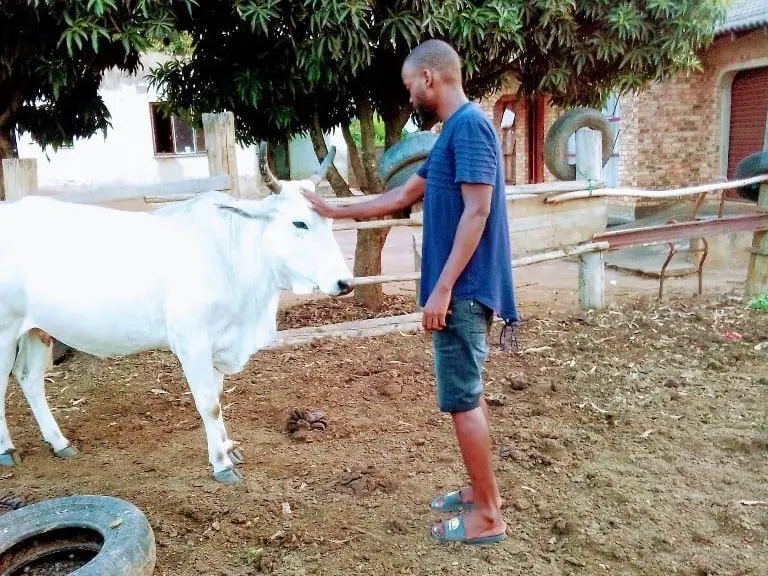
"Certain plants species are on the brink of extinction. Biodiversity is greatly compromised and wild fruits that used to be available in abundance are very scarce. Lack of food availability and accessibility forces wild animals’ migration to the villages which result in wildlife-human conflict." - Ashell Maenetja
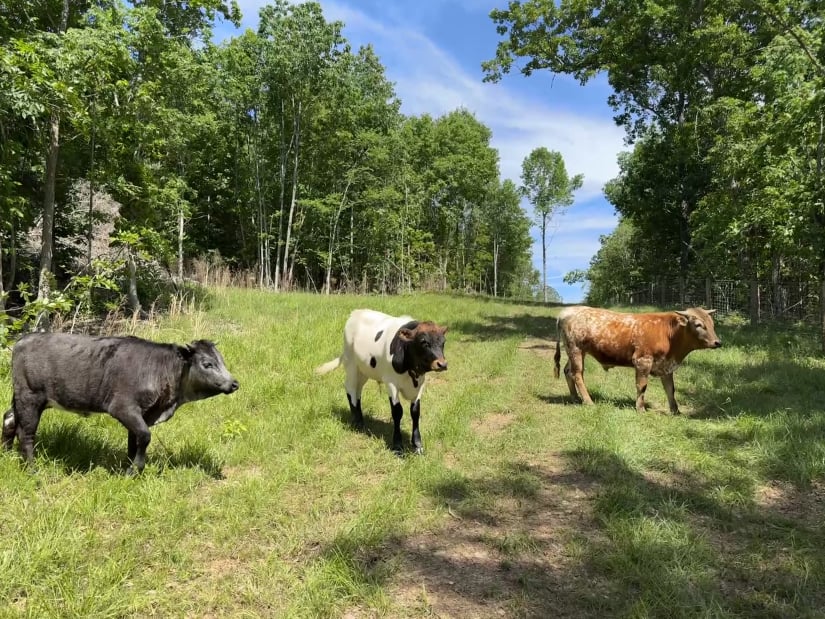
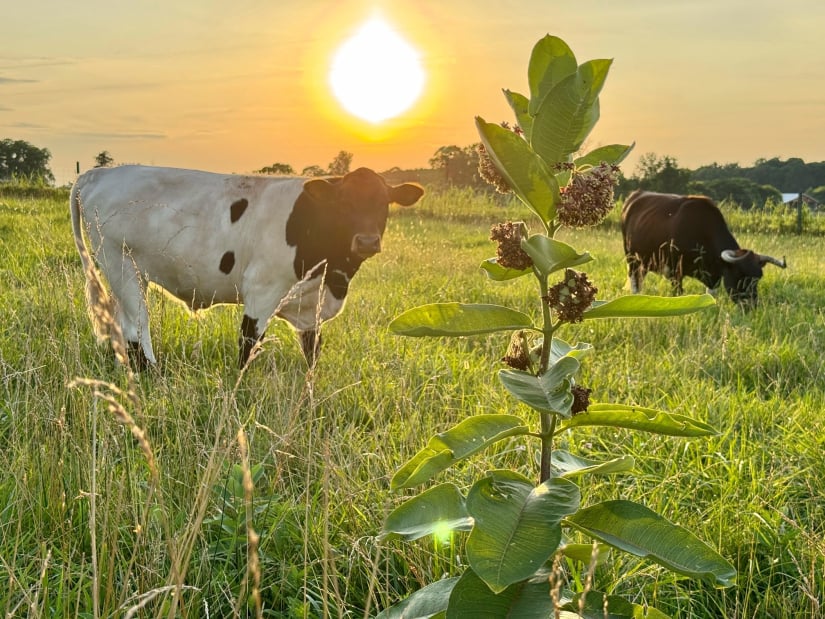
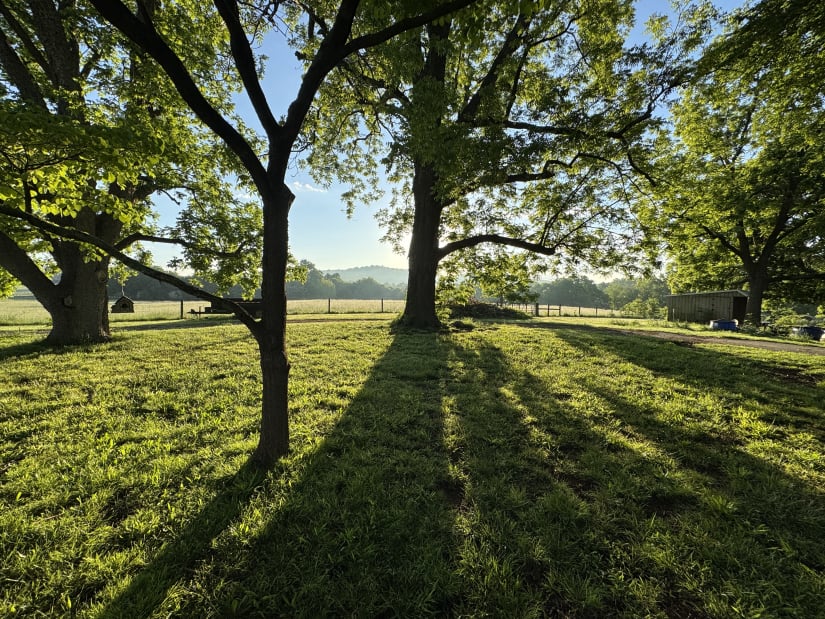
Witness how regenerative practices with cattle have transformed impenetrable thorny land into a flourishing forest. and resulted in a drop in farm expenses. Through their appetite for invasive plants we have seen an increase in biodiversity of plants and animals, discovered sacred indigenous sites and a significant benefit to the cattle's welfare.
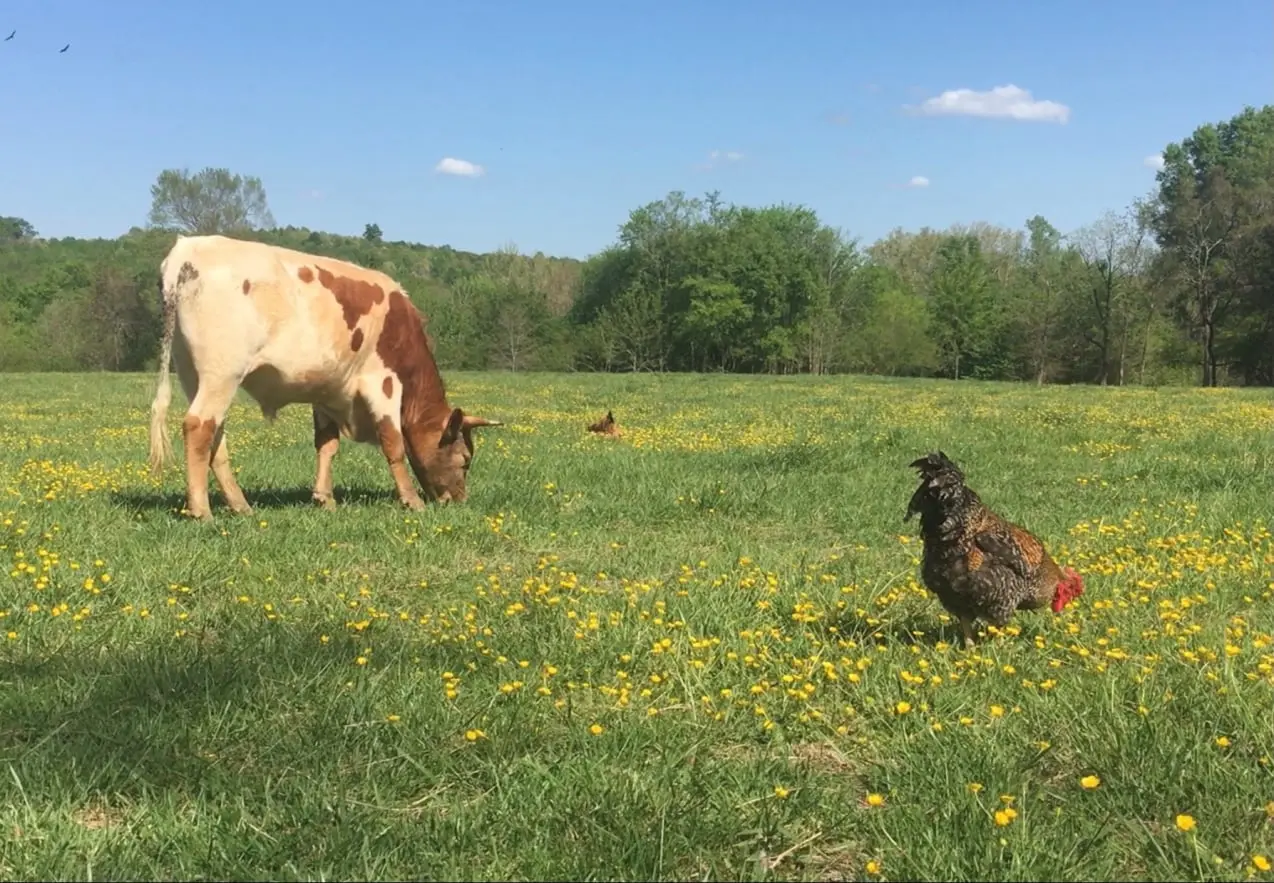
Animals are vital to regenerative farms.
From providing natural fertilizer to weeding, eating invasive plant species and reducing fire fuel for forest wildfires, farm animal have an important role to play on farms. Many of the breeds of farm animals that are naturally good at regeneration are going extinct, they are known as Heritage or Rare Breeds